
 Nadya Suwarno
Hive Minds on Union Square
Reimagining New York's busiest crossing as a human colony that lets you choose your own pace.
“Ants are knowing and wise but he doesn't know enough when to take a vacation”, These are the words of Clarence Day. Despite their minuteness, these creatures are seemingly comparable to humans. It is possible to say that apart from our differences in terms of size, anatomy and behavior, they share some similarities in their social structures and intelligence. Both species have evolved complex societies that allow them to thrive in a wide range of environments. They are especially known to be as hardworking as what the human’s general society is expected to do. To function as workers and soldiers who are responsible for foraging , caring for the young and defending the queen’s colony. It is a system already built-in through generations that their life purpose is to serve and perish.
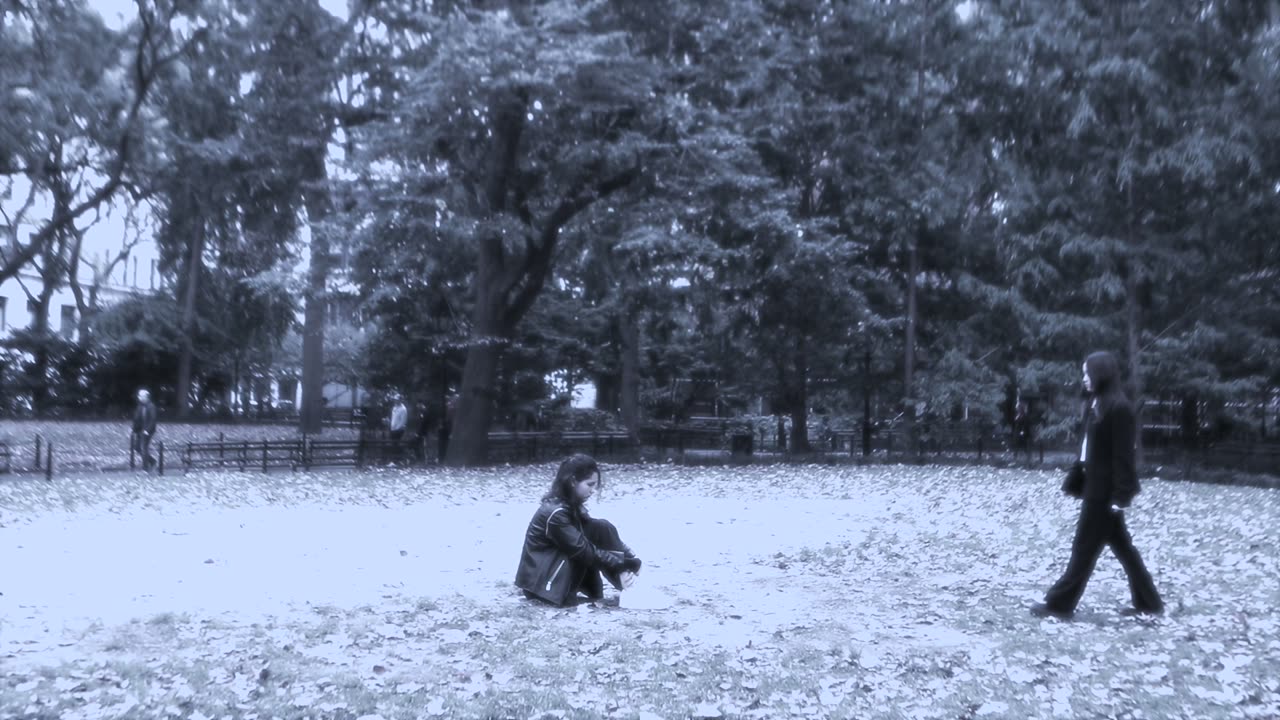
To be a part of the society of ants, would our free-mindedness handle the static motion of living? As humans, responding to our surroundings is what ensures that we are living beings. The environment we are in greatly affects the actions and choices we make. At this time, our spaces are being designed in a way to avoid distractions. Minimalistic. Ironically, our attention to space has been diverted into these small hand carried screens we unendingly stare into.
The speed in which the city is designed to function should not only ensure efficiency but also consider the internal impacts towards the community. Should one come before the other?
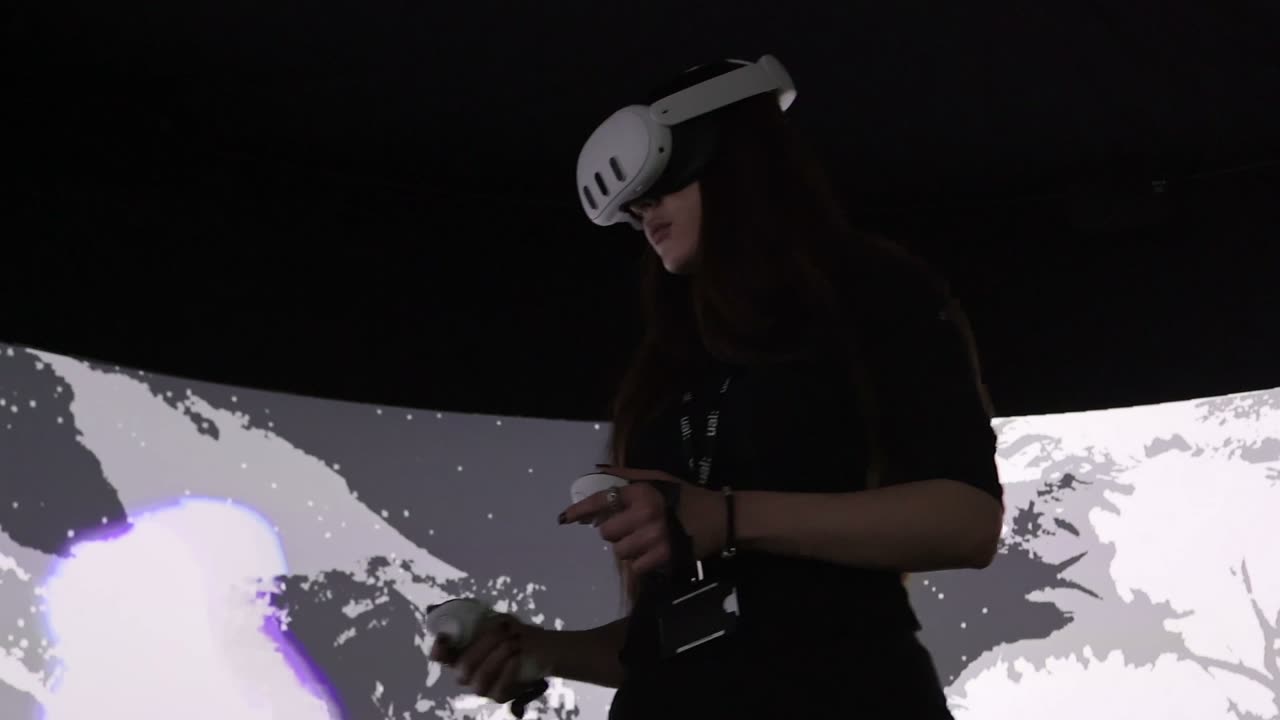
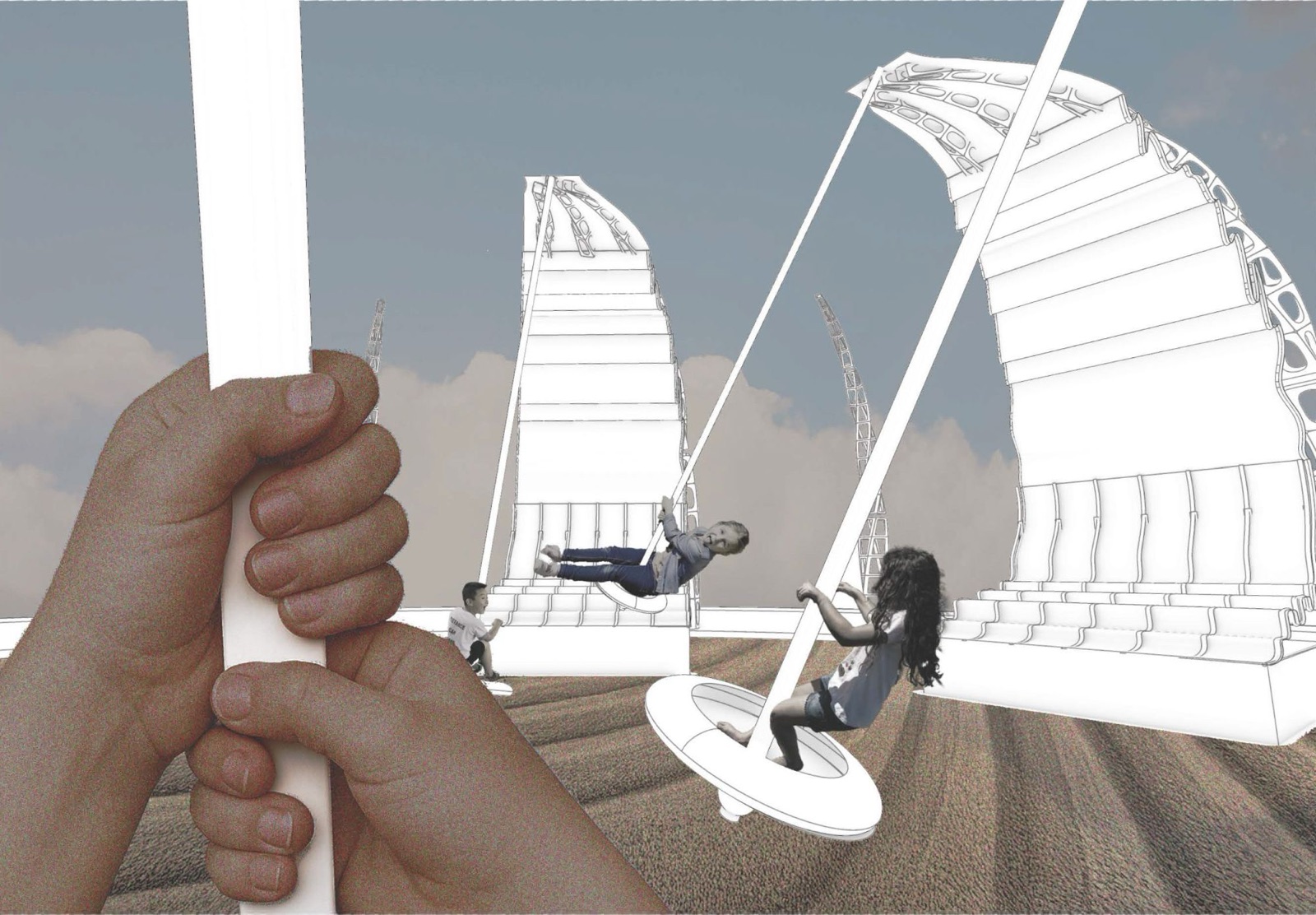
At the center of everything stands a majestic sculpture. Its bark is a mosaic of colors, shimmering iridescence. Its branches reach skyward, casting a vast canopy of emerald leaves that dance in the gentle breeze. The great figure, topped with a shield of glistening cylindrical figure, guides commuters along an architectural labyrinth. A circular pathway created from the tip of the finest branch to its strong roots. There, these rich fibers are surrounded by a pool of water, flawlessly refracting towards the concrete surrounding it. Regardless of the depth from base ground, the pathway is moderately angled, making time for individuals until they reach the base ground where the trails lie on.
Mystery, curiosity. Each new turn reveals a new moment, a hidden corner, a carefully framed view or maybe a soft moss stuck around the edges of surfaces. Here, getting lost and then found. The archetype is formed by those surrounding it, by those moving through it.
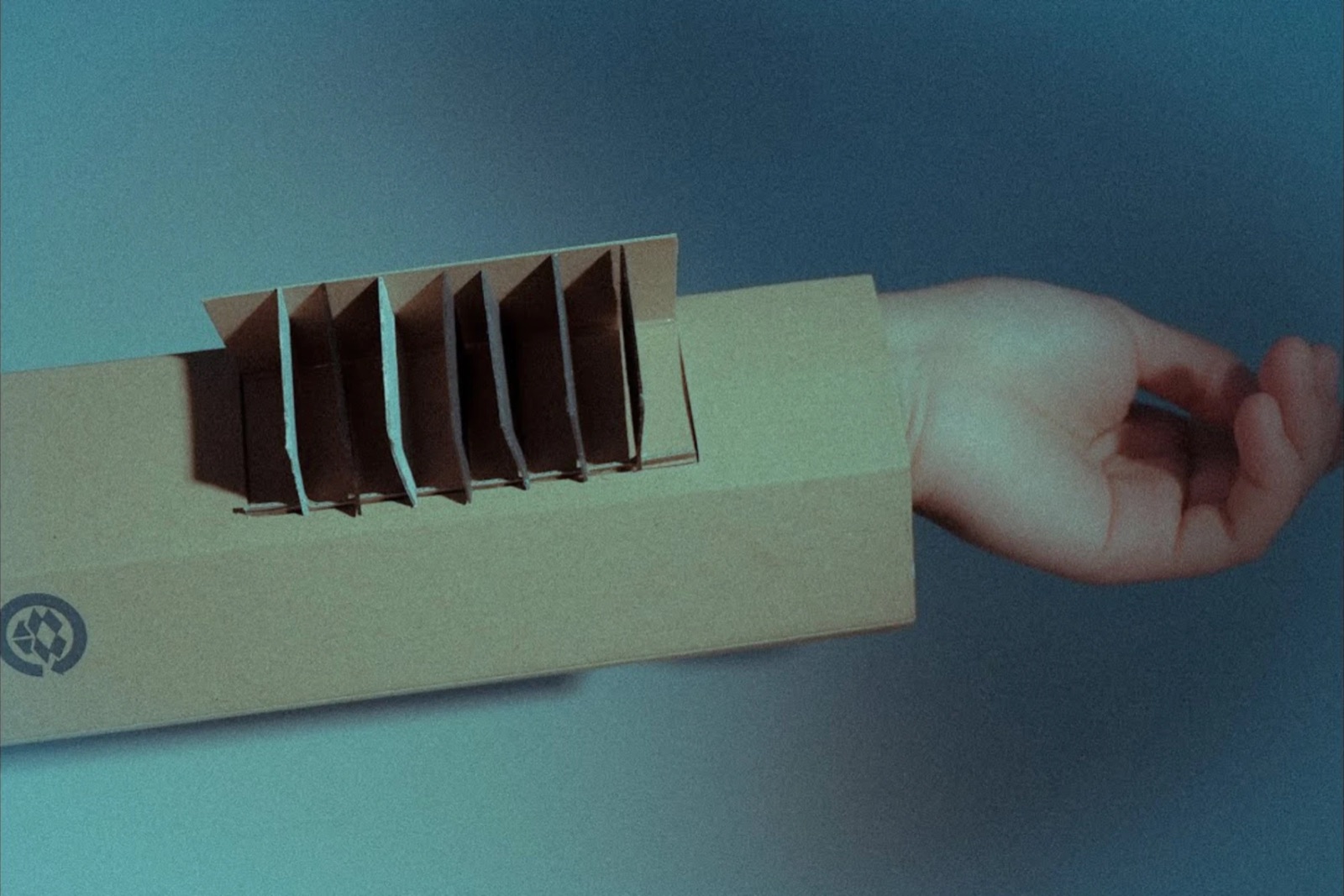
The form follows through a cylindrical downward spiral by which it guides and offers users a series of spaces for them to decide how they want to spend their time. To slow down or to speed up - these spaces, to be viewed as temptations or time for oneself, depends on each individual. The presence of a crowd, a distraction from working out one’s pure intentions.
To put it short, An infrastructure in motion. To create different possibilities by provision of different choices. Spaces should be pushed to be of support towards both internal and external qualities of our nature. The ability to make a choice should not be a luxury but rather an action taken into complete awareness of. Cells. Imagine everything there is as yours and yours only. On which grounds will your foot land your body then?